- Unit 10, Station Street, Bromsgrove, Worcestershire B60 2BS
- support@rpw


Need any help?
07930 951276
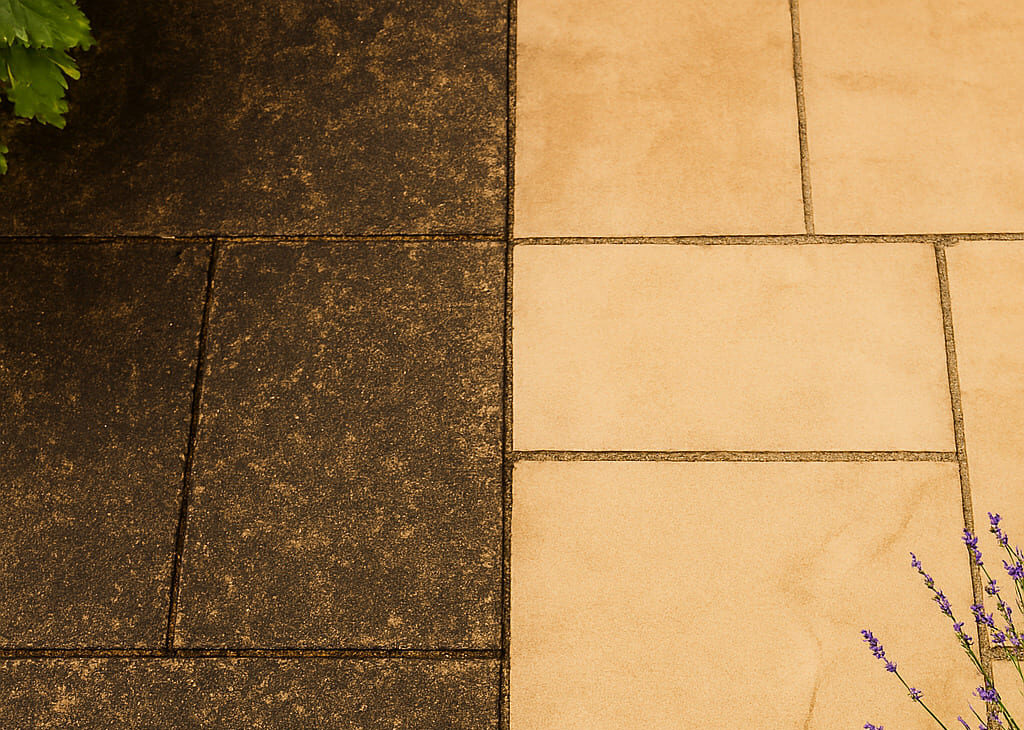
Pressure washing is one of the fastest and most effective ways to clean a patio, especially when moss, algae, and stubborn stains have built up over time. In this step-by-step guide, you’ll learn how to pressure wash a patio safely in the UK — including the best time to do it, the right equipment to use, and how to avoid common mistakes. Whether you’re tackling a small slab patio or a large block paving area, these tips will help you achieve a clean, long-lasting finish.
Over time, patios in the UK can become dirty, slippery and discoloured due to constant exposure to rain, moisture and organic growth. Moss, algae and ingrained dirt are common problems, particularly in shaded areas. Pressure washing is one of the most effective ways to clean a patio and restore its original appearance, and with the right approach, it is a task many homeowners can carry out themselves.
Table of Contents
- Why Pressure Washing a Patio Matters
- Preparing a Patio Before Pressure Washing
- Best Time of Year to Pressure Wash a Patio
- When NOT to Pressure Wash a Patio
- Pressure Washing Different Patio Surfaces
- Step-by-Step Guide: How to Pressure Wash a Patio
- How to Remove Moss, Algae and Tough Stains
- What Tools Do I Need?
- DIY vs Professional Patio Cleaning
- Aftercare and Maintaining a Clean Patio
- Common Mistakes to Avoid When Pressure Washing a Patio
- Safety When Pressure Washing a Patio
- FAQs
Why Pressure Washing a Patio Matters
A patio is often one of the most used outdoor areas of a home, especially during warmer months. When dirt and organic growth are allowed to build up, the surface can become unsightly and hazardous. Algae and moss retain moisture, which increases the risk of slipping, particularly after rainfall.
Regular pressure washing not only improves the appearance of a patio but also helps preserve the paving materials. Removing grime and growth prevents long-term staining and surface degradation, allowing paving slabs, block paving and stone patios to last longer in the UK climate.
Preparing a Patio Before Pressure Washing
Preparation Checklist
Preparation is a crucial step that is often overlooked, but it makes the whole process smoother and reduces the risk of damage. Before you start pressure washing, the patio should be completely cleared of furniture, plant pots, garden ornaments and any other items. This not only gives you unrestricted access to the surface but also prevents accidental damage from the high-pressure spray.
Once the area is clear, sweep the patio thoroughly to remove loose dirt, leaves and debris. Sweeping first helps the pressure washer work more efficiently and reduces the chance of mud spreading across the surface. It also prevents larger debris from becoming lodged in the nozzle or causing scratches.
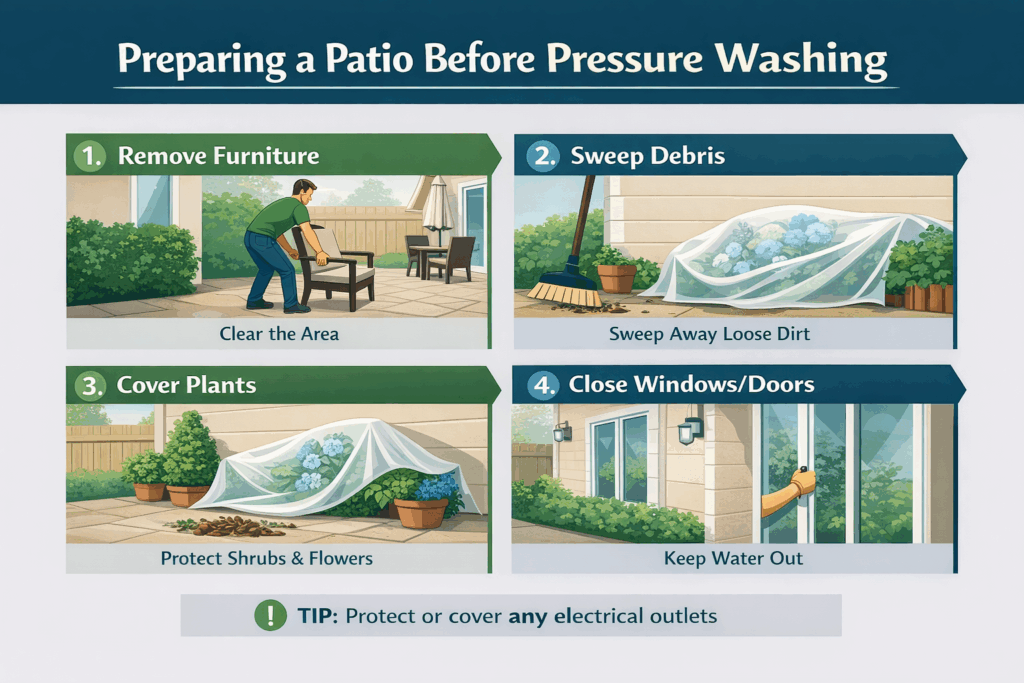
If you plan to use a cleaning solution, it is worth taking extra precautions to protect nearby plants, lawns and outdoor furniture. Lightly wetting plants and grass before cleaning can help dilute any overspray. You may also want to cover delicate plants or flowers with a tarp or plastic sheeting to prevent chemical damage.
Another important step is to check the surrounding area for anything that could be affected by the pressure washer. Close windows and doors, protect electrical outlets, and be mindful of neighbours if you are using a loud machine. Finally, inspect the patio surface for loose or cracked slabs, as pressure washing can worsen existing damage. If you spot any issues, consider repairing them first before proceeding with the cleaning.
Best Time of Year to Pressure Wash a Patio
Spring and early summer are generally the best times to pressure wash a patio in the UK. Warmer temperatures allow surfaces to dry properly and reduce the risk of frost damage. This timing also prepares the patio for increased use during the summer months.
Autumn pressure washing is possible but less ideal, as falling leaves and increased moisture can quickly undo the results. Winter pressure washing should be avoided unless conditions are mild and dry.
When NOT to Pressure Wash a Patio
Pressure washing can deliver great results, but it’s not always the right solution. In certain situations, using a pressure washer can cause damage or make problems worse. If any of the following apply, it’s best to delay the clean, use a gentler method, or consider professional help.
1. The patio is newly installed
Freshly laid paving or newly jointed block paving needs time to settle. Pressure washing too soon can disturb sand joints, loosen slabs, and reduce long-term stability.
2. There are cracks, loose slabs, or unstable areas
If your patio already has cracks or loose paving, pressure washing can worsen the damage. Water can get underneath the surface and cause movement, which may lead to further cracking or sinking.
3. The surface is soft or worn
Some materials, especially certain natural stones, can be fragile or porous. If the surface feels crumbly, worn, or thin, pressure washing can cause etching or surface degradation.
4. You don’t have the right equipment or experience
Pressure washing requires the correct nozzle, pressure setting, and technique. Using the wrong setup can lead to streaking, surface damage, or injury. If you’re unsure, it’s safer to consult a professional.
Pressure Washing Different Patio Surfaces
Pressure washing different patio surfaces requires slightly different approaches. Factors such as material type, surface strength, and jointing all affect how much pressure can be safely used and which nozzle is most effective. The table below outlines general recommendations for common patio materials to help avoid damage while achieving the best cleaning results.
| Patio Material | Recommended Pressure | Best Nozzle Type | Notes |
|---|---|---|---|
| Concrete and Standard Paving Slabs | Medium to high (start low and increase gradually) | Fan spray (wide pattern) | Generally robust, but avoid narrow jet nozzles and do not linger in one spot. |
| Block Paving | Low to medium | Fan spray | Use lower pressure near joints to avoid washing out sand. Re-sand after cleaning. |
| Natural Stone (Sandstone, Limestone, Slate) | Low | Wide fan spray | Softer and more porous. Use low pressure and multiple passes rather than high pressure. |
| Porcelain and Tile Patios | Medium | Fan spray | Hard surface but can crack under very high pressure. Avoid narrow jets and keep a steady distance. |
Concrete and Standard Paving Slabs
Concrete patios and standard paving slabs are generally robust and handle pressure washing well. They can tolerate higher pressure than most other materials, but it is still important to avoid using too much force, particularly on older slabs. Start with a lower pressure setting and gradually increase if needed.
A fan spray pattern is usually best because it spreads the pressure over a wider area, reducing the risk of etching or surface damage. A narrow jet nozzle should be avoided on concrete unless you are confident the surface can withstand it.
Block Paving
Block paving is more sensitive to pressure washing because the sand between the blocks can be washed out. High pressure can remove the kiln-dried sand, which may leave gaps and cause the blocks to shift. If you are cleaning block paving, use a lower pressure setting and avoid holding the nozzle too close to the joints.
After cleaning, it is common to re-sand the joints once the patio has dried. This helps stabilise the blocks and restore the overall finish.
Natural Stone Patios
Natural stone patios, such as sandstone, limestone and slate, are often softer and more porous than concrete. For this reason, they should be cleaned using lower pressure settings to avoid surface damage. A gentle fan spray is usually the safest option, and it is often better to make several passes than to use higher pressure.
If your stone patio has deep staining or heavy algae growth, consider using a suitable patio cleaner first, then follow up with low-pressure washing to avoid damage.
Porcelain and Tile Patios
Porcelain and tile patios are hard and smooth, but they can be prone to cracking if exposed to very high pressure. These surfaces typically do well with a medium-pressure setting and a fan nozzle. Avoid using a narrow jet nozzle and keep the spray at a consistent distance to prevent damage to the grout or tiles.
Step-by-Step Guide: How to Pressure Wash a Patio
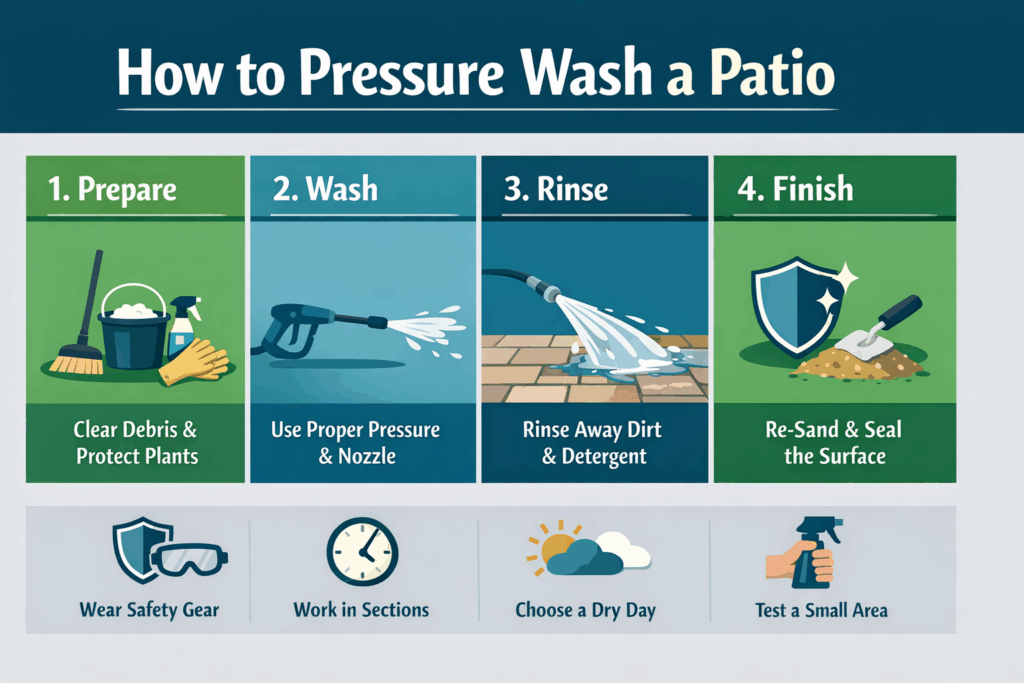
Pressure washing a patio is straightforward when you follow a clear method. The key is to work slowly, keep the nozzle moving, and avoid using too much pressure too close to the surface. Follow these steps for a safe and effective clean.
Step 1: Test the Pressure on a Small Area
Before you start cleaning the entire patio, test the pressure washer on a small, hidden section of the paving. This allows you to confirm the pressure setting is safe for the surface and that it will not cause damage. Always start on the lowest setting and increase gradually if needed.
Step 2: Prepare the Surface
Clear the patio of furniture, plant pots and other items. Sweep away loose dirt, leaves and debris so the pressure washer can work effectively. If the patio is very dirty or has moss, you may want to pre-treat the area with a patio cleaner or algae treatment before washing.
Step 3: Set the Correct Distance
Hold the pressure washer lance at a consistent distance from the patio surface. A good starting point is around 20 to 30 centimetres. This distance gives enough force to clean while reducing the risk of damaging the paving.
Step 4: Begin Washing in Straight, Overlapping Lines
Start at one edge of the patio and work in slow, straight lines. Move the nozzle steadily and keep it in motion at all times. Make sure each pass slightly overlaps the last one to avoid leaving streaks or missed strips of dirt.
Step 5: Work Section by Section
Divide the patio into small sections and clean one area at a time. This approach helps you keep a consistent pressure and distance across the entire surface. It also ensures you do not miss any areas or rush the job.
Step 6: Avoid Lingering on One Spot
Do not stay in one place for too long, as this can cause surface etching or visible lines in the paving. Keep the nozzle moving and maintain a steady rhythm. If an area is particularly stubborn, you can reduce the pressure and make several passes rather than holding the nozzle close.
Step 7: Rinse and Check for Missed Spots
Once the patio has been cleaned, rinse the surface thoroughly with clean water. This helps remove any remaining dirt or detergent residue. Take a final look over the patio to identify any missed patches and re-clean them if necessary.
How to Remove Moss, Algae and Tough Stains
Patios in the UK often develop moss, algae and stubborn grime, especially in shaded or damp areas. While light dirt can usually be removed with water alone, heavily soiled patios often need a cleaning solution to break down the organic growth and deep-set stains. These products are designed to loosen moss and algae, making it easier to wash away without excessive pressure.
Before applying any cleaner, it’s important to identify the type of growth. Moss usually appears as a thick green layer, while algae tends to form a slimy, dark film. Both can make the patio slippery, so removing them not only improves the look of your patio but also increases safety.
Quick 3-Step Moss & Algae Removal
- Apply a patio cleaner evenly and leave it to dwell as directed.
- Scrub stubborn patches with a stiff brush or patio scraper.
- Pressure wash the area to rinse away residue.
Tips & Warnings
Don’t let the cleaner dry out as this reduces effectiveness. Keep the area damp if needed.
Protect nearby plants by wetting them first and rinsing after treatment.
For stubborn moss, multiple light passes with low pressure are safer than a single high-pressure pass.
If you prefer a DIY approach, warm water mixed with a small amount of washing-up liquid can help with light algae and grime. However, for thicker growth or deep staining, a specialised patio cleaner will usually produce better results.
Helpful Patio Cleaning Products
- Pro-Kleen Simply Spray and Walk Away Patio Cleaner — Spray-on cleaner that breaks down moss and algae before washing.
- Wet & Forget Mould, Lichen & Algae Remover — Long-lasting solution for hard surfaces.
- Smartseal Xtreme Patio Cleaner — Professional-strength cleaner for tougher stains.
- Brinton Patio Magic Patio Cleaner — Budget-friendly cleaner for general maintenance.
- Algon Organic Path & Patio Cleaner — Organic option for light to moderate algae.
- Hardys Path, Patio & Decking Cleaner 5L — Large volume cleaner for bigger patios.
- Moss Patio Path Cleaner Concentrate — Concentrated cleaner for moss and black spot removal.
- Lodi Storm Pro5 Patio Force Concentrate — Strong cleaner for heavy grime.
Always follow product instructions and safety guidance on labels.
What Tools Do I Need?
Before you begin pressure washing your patio, making sure you have the right tools will make the whole job easier and more effective. Pressure washing isn’t just about the machine itself; the accessories and cleaning products you use also play a big role in how clean your patio will look at the end.
At the centre of any patio cleaning project is a pressure washer. For most UK patios, an electric pressure washer is ideal because it gives enough cleaning power without being overly heavy or difficult to use. If you are just starting out or only plan to clean the patio once or twice a year, a compact and affordable option can still deliver great results. More powerful models tend to give a faster clean and handle larger areas with less effort.
Petrol pressure washers are more powerful and can easily damage paving if used incorrectly. Unless you are experienced, they are usually unnecessary for standard patio cleaning. Adjustable nozzles are particularly useful, as they allow you to control the spray pattern and pressure depending on the surface being cleaned.
High-Range Equipment (Best Results, Faster Cleaning)
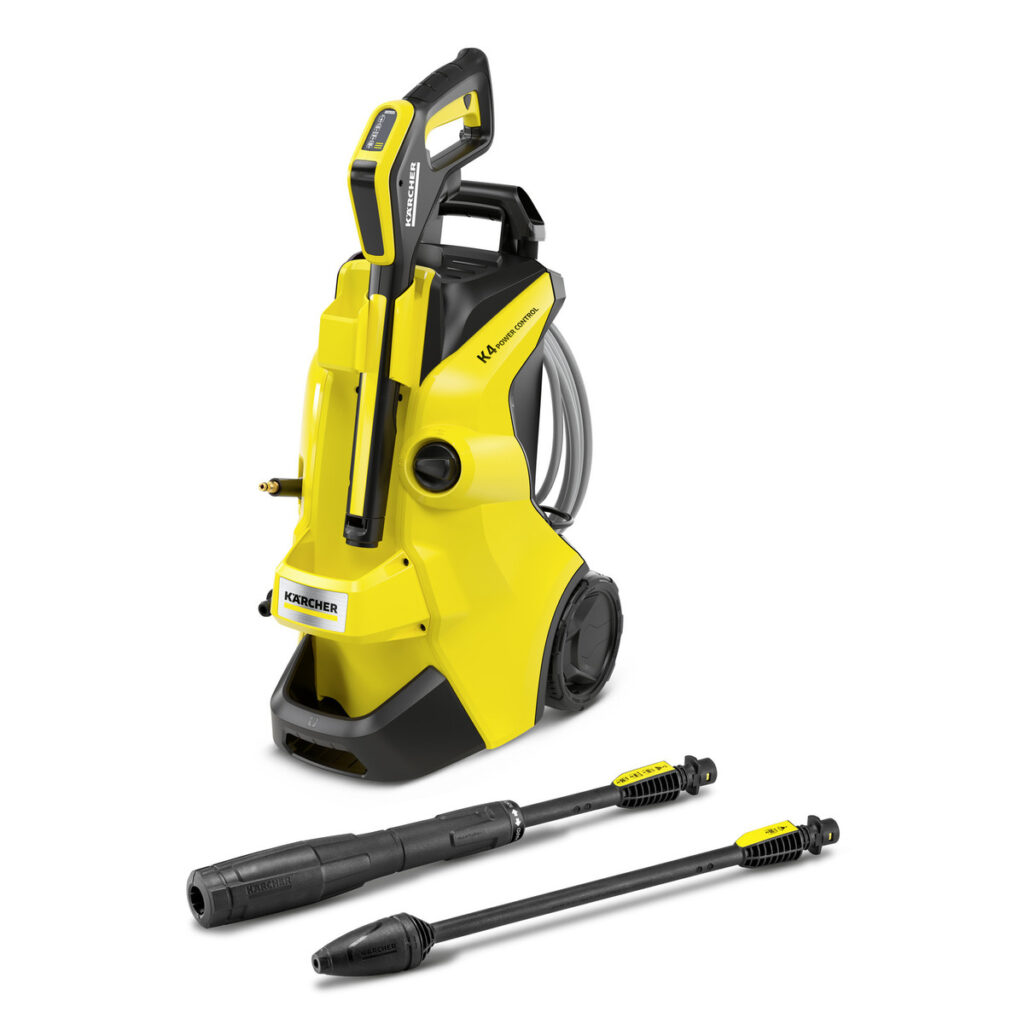
If you have a large patio, heavy dirt buildup or just want quicker, more consistent cleaning, a more powerful pressure washer is worth considering. These machines offer stronger flow and higher pressure, helping you lift moss, grime and stains with less effort.
Top pick for powerful patio cleaning: Karcher K4 Power Control Flex Electric Pressure Washer
A reliable and versatile pressure washer that is well-suited to patios, driveways and garden surfaces. It comes with adjustable pressure controls and robust build quality, making longer jobs easier.
Mid-Range Equipment (Best Value for Most Homes)
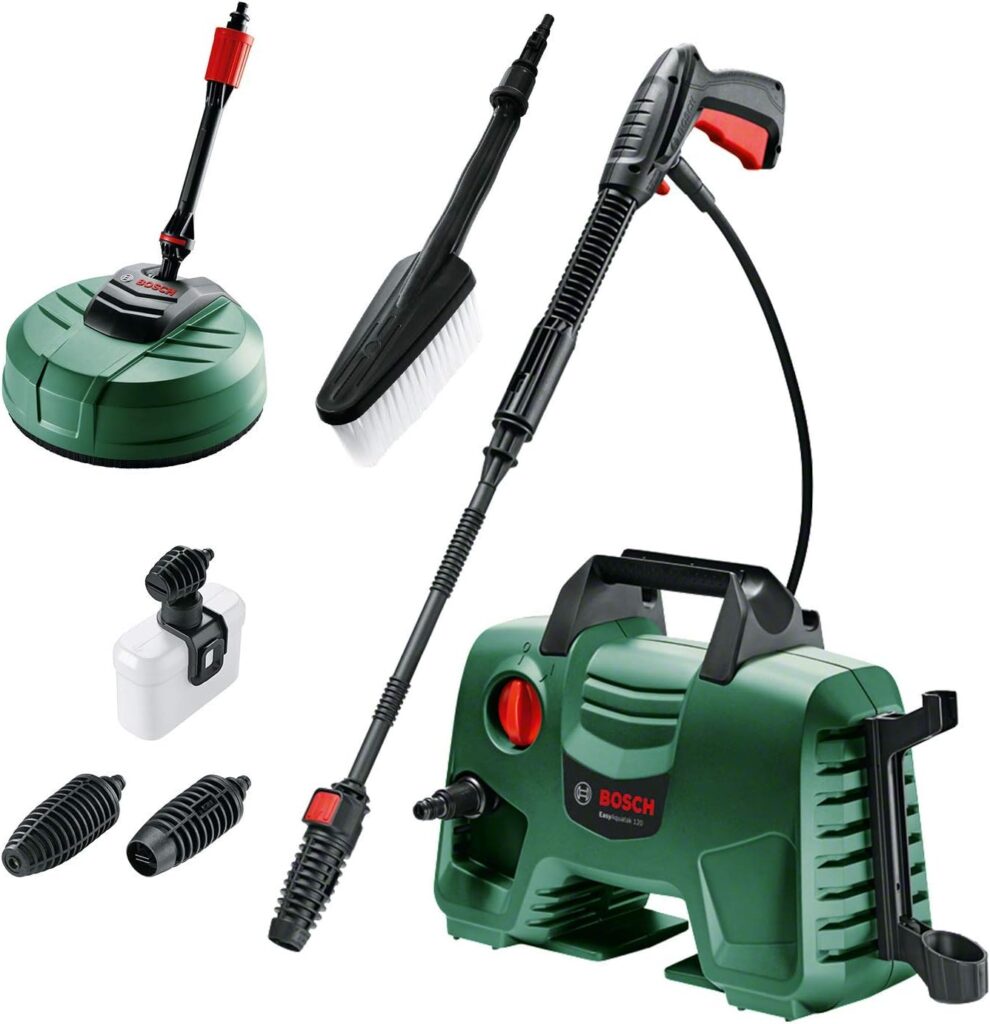
For the majority of patios around UK homes, a mid-range pressure washer strikes a good balance between performance and price. These models provide plenty of power for routine patio cleaning without being too bulky or expensive.
A solid choice in this category is Bosch EasyAquatak 120 High Pressure Washer, which offers effective cleaning performance for patio slabs, concrete and block paving. It’s compact, easy to handle and well reviewed for general outdoor cleaning.
Low-Range Equipment (Budget-Friendly for Light Cleaning)
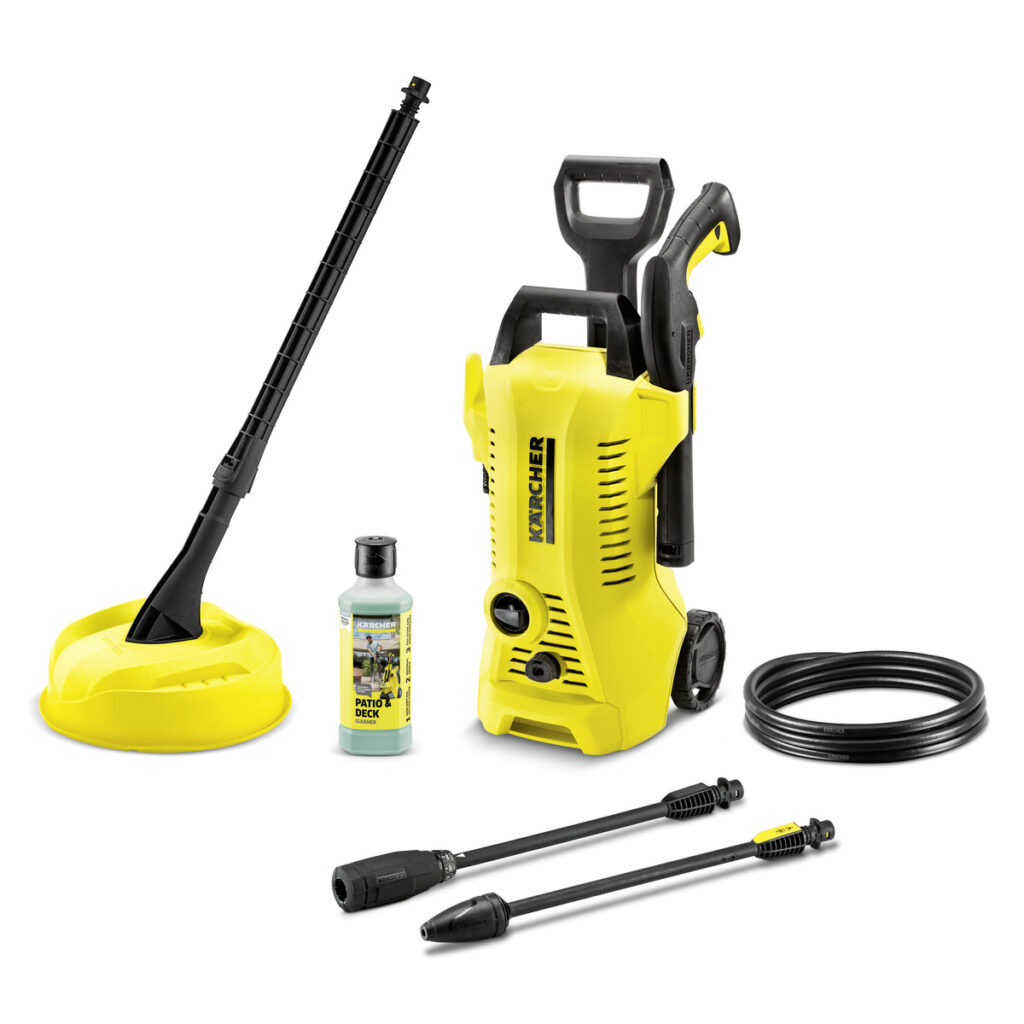
If you only need to freshen up a small patio occasionally or want an inexpensive entry point, a budget model can still do the job. These pressure washers are lightweight and easy to use, though they may take longer on tougher patches.
A good entry-level option is Karcher K2 Home Pressure Washer, which is ideal for lighter patio cleaning tasks and basic outdoor washing around the garden.
Helpful Accessories (Optional but Useful)
A few accessories can make patio cleaning easier and improve the final finish. Surface cleaners rotate under pressure to cover flat areas more evenly and quickly than a single spray wand, reducing streaks. Brushes with stiff bristles help tackle dirt in cracks and edges where water jets struggle to reach.
A popular choice is the KAR T5 T-Racer Surface Cleaner, which fits most pressure washers and speeds up cleaning across large patios.
Different patio materials respond differently to pressure washing. Using the wrong pressure or nozzle can cause damage, especially on older paving or softer stone. Below are practical guidelines for the most common patio surfaces.
DIY vs Professional Patio Cleaning
Before you decide whether to tackle patio cleaning yourself, it helps to understand the difference between DIY and professional pressure washing. The right choice depends on the size of your patio, the type of surface, and how stubborn the stains are. The table below makes it easy to compare the options at a glance.
| DIY Patio Cleaning | Professional Patio Cleaning |
|---|---|
| Best for: small to medium patios, light to moderate dirt | Best for: large patios, heavy staining, delicate surfaces |
| Pros: cheaper, convenient, good results with correct technique | Pros: faster, safer for delicate surfaces, better on tough stains |
| Cons: risk of damage if wrong pressure/nozzle, time-consuming | Cons: higher cost, needs scheduling |
| Ideal when: you’re confident using a pressure washer and the patio is in good condition | Ideal when: the patio is heavily stained, natural stone, or you want guaranteed results |
Aftercare and Maintaining a Clean Patio
Once the patio has been thoroughly cleaned and allowed to dry, applying a sealant can help protect the surface from future staining and organic growth. Sealants create a barrier that makes it harder for moss, algae and dirt to penetrate the surface, which means your patio stays cleaner for longer. This is particularly beneficial for block paving and natural stone patios, which can be more porous and prone to staining.
It is worth noting that sealants are not permanent and will wear over time, especially in high-traffic areas. Most sealants last between 2 and 5 years, depending on the product and weather conditions. For the best results, reapply a fresh coat when water no longer beads on the surface, or if the patio starts to look dull again.
Simple Patio Maintenance Schedule
- Weekly: Sweep away leaves and debris to prevent moss and algae from forming.
- Monthly: Rinse with a garden hose to remove surface dirt and keep the patio looking fresh.
- Every 3–6 months: Do a light clean with a patio cleaner or a low-pressure wash.
- Annually: Deep clean with a pressure washer to remove ingrained grime and restore the surface.
- Every 2–5 years: Reapply a patio sealant (if applicable) to protect the surface.
Regular sweeping and occasional treatment with a biocide can significantly slow the return of moss and algae. Sweeping once a week prevents leaves and debris from breaking down and creating a damp environment that encourages growth. In damp or shaded areas, applying a biocide once or twice a year can help keep moss and algae at bay. Always follow the manufacturer’s instructions and avoid applying biocide during strong winds or rain.
A simple maintenance routine will keep your patio looking clean and reduce the need for frequent pressure washing. After heavy rain or during autumn, a quick sweep and rinse can stop grime from building up. For the best long-term results, consider doing a light clean every 3–6 months and a deeper clean annually.
Common Mistakes to Avoid When Pressure Washing a Patio
One of the most common mistakes is using too much pressure. Higher pressure does not always mean better results and can permanently damage paving surfaces. Holding the nozzle too close or cleaning in erratic patterns can also leave uneven marks.
Another frequent issue is pressure washing during unsuitable weather. Cleaning a patio during freezing conditions or prolonged damp weather can cause problems with drying and increase the risk of damage. Taking the time to work methodically and patiently produces far better results.
Using too much pressure
Higher pressure does not always mean better results and can permanently damage paving surfaces. It can cause etching, surface wear, or even chip the edges of slabs. Start on the lowest setting and increase gradually only if needed. Always keep the lance moving to avoid concentrated pressure in one spot.
Cleaning in the wrong weather
Freezing conditions or prolonged damp weather can affect drying and increase the risk of damage. If the patio remains wet for too long, it can allow algae and moss to return more quickly. Choose a dry day with mild temperatures and allow the patio to fully dry before walking on it or replacing furniture.
Using the wrong nozzle
A narrow jet nozzle can etch stone and concrete, so a fan nozzle is generally the safest option. Turbo nozzles should be used with caution and only on very durable surfaces, as they concentrate pressure into a small area. Always test the nozzle on a hidden section first to ensure it does not cause damage.
Skipping preparation
Failing to sweep and remove debris first can create streaks and block the pressure washer, leading to uneven cleaning. Leaves and loose dirt can also get pushed into joints and cracks, making the patio look worse after washing. Proper preparation ensures a smoother clean and reduces the risk of damage.
Overusing cleaning products
Applying too much cleaner or not rinsing properly can leave residue or staining. Some products can also affect nearby plants if not rinsed correctly. Follow the product instructions carefully, keep the surface damp during the dwell time, and rinse thoroughly to remove any residue.
Safety When Pressure Washing a Patio
Safety Checklist
- Wear safety goggles, gloves, and sturdy footwear.
- Keep the nozzle at a safe distance and never point it at people or pets.
- Avoid pressure washing in wet or slippery conditions.
- Keep electrical connections dry and use an outdoor-rated extension lead.
- If using a petrol washer, operate outdoors in a well-ventilated area.
Pressure washers are powerful tools and can cause injury or damage if not used correctly. Always wear safety goggles, gloves, and sturdy footwear to protect against flying debris and cleaning chemicals. Keep a safe distance between the nozzle and the patio surface, and never point the lance at people, pets, or fragile objects.
If you’re using an electric pressure washer, ensure the plug and socket stay dry and use a suitable outdoor extension lead. For petrol machines, always operate them outdoors in a well-ventilated area to avoid fumes.
How often should you pressure wash a patio?
For most UK patios, pressure washing once a year is sufficient to keep the surface clean and safe. Heavily shaded areas or patios prone to moss and algae may benefit from cleaning every 6–9 months. Regular sweeping and light maintenance can reduce the need for frequent pressure washing.
Can pressure washing damage patio slabs?
Yes, if done incorrectly. Using excessive pressure, holding the nozzle too close, or lingering in one spot can damage paving slabs, particularly older or lower-quality ones. Always start with a low-pressure setting and use a wide fan spray to minimise the risk of surface wear.
Do I need detergent to pressure wash a patio?
Not always. Water alone is often enough for light dirt and general cleaning. However, patios with heavy moss, algae or ingrained grime may benefit from a dedicated patio cleaning solution. These products help break down organic growth before pressure washing.
Is pressure washing safe for block paving?
Pressure washing block paving is safe if done carefully. High pressure can remove the kiln-dried sand between blocks, so lower pressure is recommended. After cleaning, the joints should be re-sanded once the surface is fully dry to maintain stability.
Can I pressure wash a patio in winter?
It’s best to avoid pressure washing during freezing conditions. Water can freeze on the surface, increasing the risk of damage and making the area slippery. Mild, dry weather is ideal to ensure proper cleaning and drying.
Should I seal my patio after pressure washing?
Sealing a patio after cleaning is optional but beneficial, especially for block paving and natural stone. A suitable sealant can help protect against staining, slow the return of moss and algae, and make future cleaning easier.
Is it better to hire a professional or do it yourself?
DIY pressure washing is suitable for small patios and light cleaning if done carefully. For larger areas, delicate surfaces, or heavy staining, hiring a professional ensures the correct equipment and techniques are used, reducing the risk of damage.
How long does a patio take to dry after pressure washing?
Most patios dry within 24 hours, depending on weather conditions and surface type. Block paving and shaded areas may take longer. It’s best to wait until the patio is fully dry before replacing furniture or applying sealant.
How long does pressure washing a patio take?
The time it takes to pressure wash a patio depends on the size of the area, how dirty it is, and the type of surface. A small patio (around 10–15 square metres) with light dirt can usually be cleaned in 20–30 minutes, while larger patios or those with heavy moss and grime may take 1–2 hours or more.
Recent Post
How Often Should You Pressure Wash Your Patio?
29 January 2026
How to Pressure Wash a Patio: A Complete DIY Guide
27 January 2026